AC Installation in Dubai: What Nobody Actually Warns You About

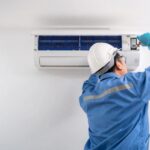
I’ve watched enough botched AC installation In Dubai — from villas in Mirdif to commercial fit-outs in DIFC — to know that the unit itself is rarely the problem. It’s everything around it. The wrong size. The wrong placement. A technician who connected the drainage pipe at the wrong angle and left without saying a word.
The market for air conditioners is really big. There are a lot of people selling and installing them. Some of these people do a job and some do a terrible job. The difference, between the ones and the bad ones is huge. If you are putting an air conditioner in your home or office and you have never done this before there are things you really need to know before the person who is going to install the air conditioner shows up with a drill to start working on your air conditioner.
The Mistake That Costs More Than the Unit Itself
Most people pick their AC based on price or brand name. Neither of those things matters if the BTU capacity is wrong for the space. A unit that’s too small runs itself to death trying to keep up. A unit that’s too large short-cycles — it cools quickly, shuts off, starts again, cools again — and that constant on-off cycling is brutal on the compressor and means the humidity never properly drops. You feel cool but clammy. Nobody talks about that part.
The unit itself is rarely the problem — it’s everything around it that turns a straightforward installation into an expensive headache.
The calculation isn’t complicated. Roughly 600 BTU per square meter is a starting point for standard Dubai apartments. Add 20–25% if the room has large windows facing west or south. Add more if it’s a top-floor unit with a flat roof above. Your installer should be doing this math before recommending anything — if they’re quoting you a unit based on the number of rooms without measuring, that’s a red flag right there.
Before Any Installer Touches Your Wall
- Get the room measured properly — square meterage, ceiling height, window direction. Any quote without this is guesswork.
- Confirm the drainage route — ask exactly where the condensate drain will run and how it exits the building. This is where most leaks start.
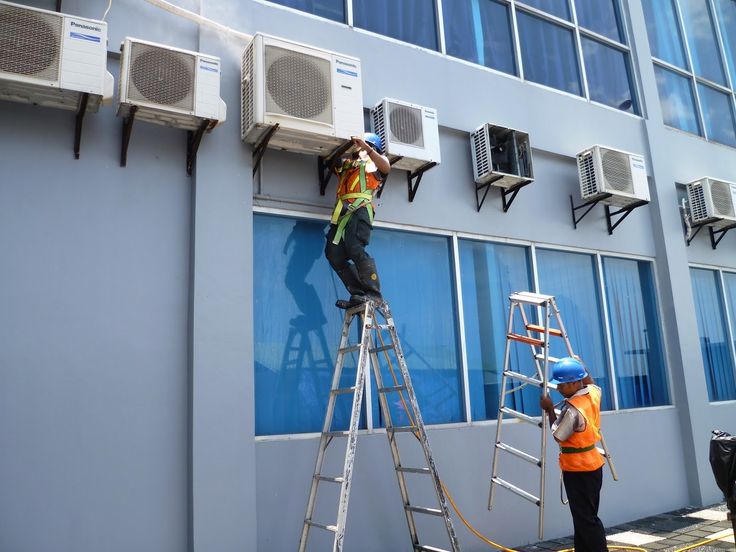
- Check the outdoor unit placement — it needs airflow clearance on all sides, shade if possible, and somewhere that won’t cook against a south-facing wall in July.
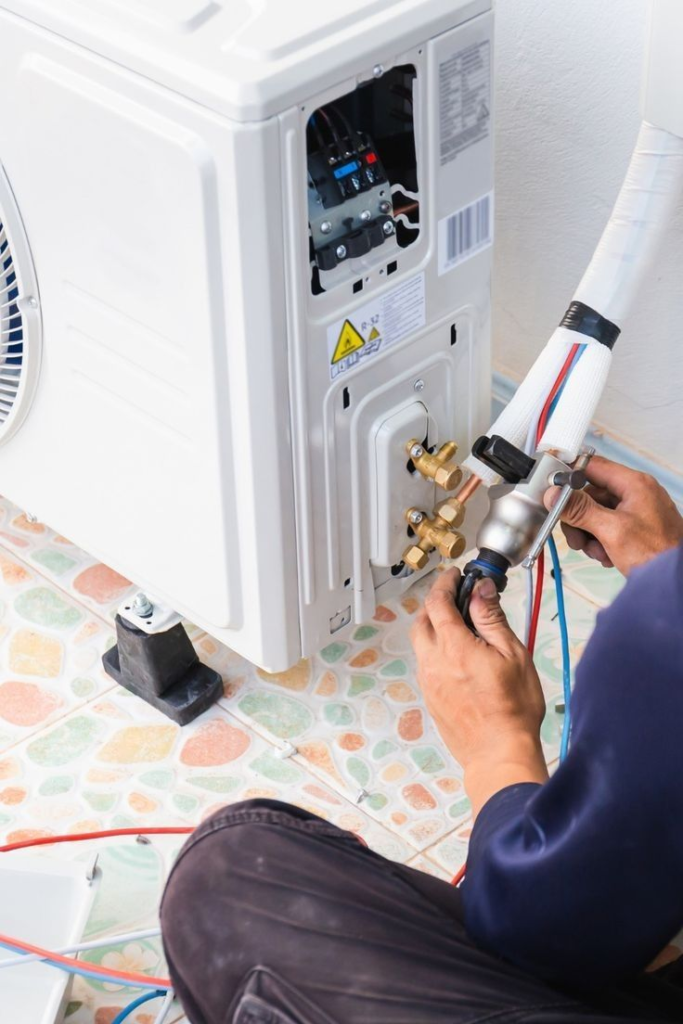
- Ask about pipe insulation. Refrigerant pipes that go through walls without insulation lose efficiency quickly. They also cause condensation to form and drip into your walls.
- Verify DEWA compliance. Any new installation in apartments must meet local electrical and safety codes.
- Get the warranty registered — not just the unit warranty, but the installation warranty. Confirm who’s responsible if something leaks or fails in the first 12 months.
What Company Owners Keep Getting Wrong in Commercial Spaces
Office and retail AC installation In Dubai is a different game entirely. I’ve spoken to facility managers who inherited systems from fit-outs done by the lowest bidder and spent the next three years firefighting — zones that were always too cold, others always too hot, and an electricity bill that made no sense relative to the floor area.
The issue in commercial spaces almost always comes down to zoning and duct design.The server room needs dedicated cooling. The reception needs a unit that can handle solar gain. The open-plan area needs proper return air vents, not just supply vents blowing cold air into a room with no way for the warm air to escape.
Most fit-out contractors in Dubai will give you the cheapest configuration that technically works on paper. Push back. Ask for the load calculation documents. Ask why each zone is sized the way it is. If they can’t answer that clearly, find someone who can.
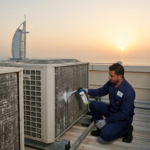
One more thing that gets overlooked constantly — the outdoor condenser units. In commercial buildings, these often end up on rooftops with zero shade, crammed together with ten other units, no maintenance access, and drainage that runs nowhere useful. Six months later, efficiency has dropped 15% and nobody knows why. Walk the rooftop before you sign off on any installation. Seriously. Ten minutes up there can save you thousands over the life of the system.
Getting your AC installed right the first time isn’t about spending more money. It’s about asking the right questions before the work starts — because once those brackets are bolted to the wall and the pipes are run through your ceiling, fixing a bad installation costs three times what doing it properly would have.
Choose the installer the same way you’d choose a surgeon — not by price, but by whether they can explain exactly what they’re doing and why.
Got Questions? Click here To Contact Us.